GyeongGi Cultural Foundation
『Wearing Jinjunang with Jade Butterfly Tteoljam, Jewelry for Women, in the 17th Century of the Joseon Age』
Published: A study on Jewelry, well-known as the best in the 17th century of the Joseon Age
Published: 『Wearing Jinjunang (Pearl pouch) with Jade Butterfly Tteoljam (Ornamental hairpin), Jewelry for Women, in the 17th Century of the Joseon Age』 by GyeongGi Provincial Museum
GyeongGi Provincial Museum of the Gyeonggi Cultural Foundation (Director, Kim Sung-hwan) has recently published 『Wearing Jinjunang with Jade Butterfly Tteoljam, Jewelry for Women, in the 17th Century of the Joseon Age』.
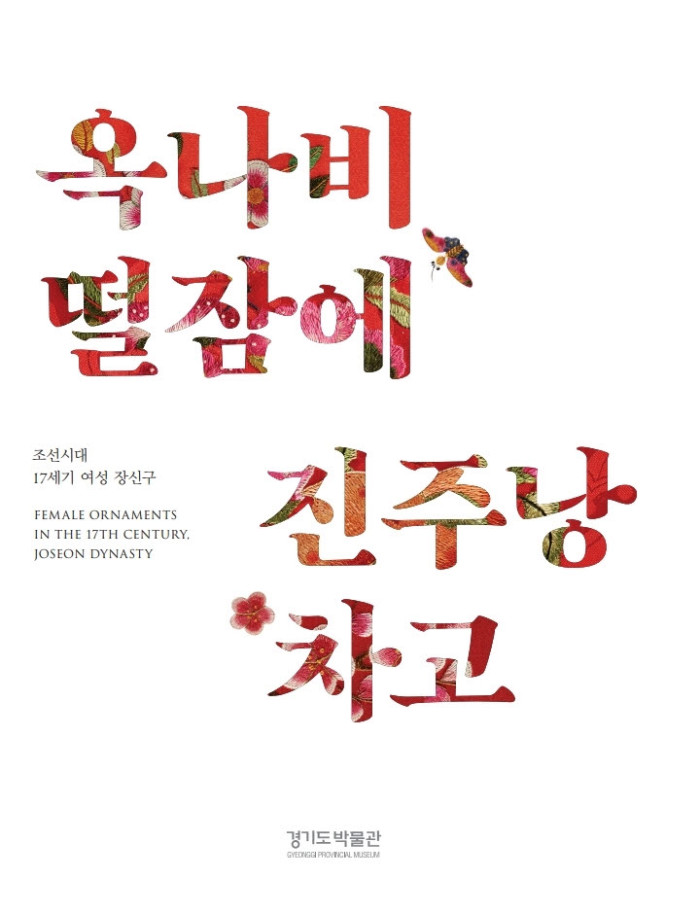
This study researched and shed light on the process of recreating the jewelry excavated from the burial site of Lady Lee (1651~1671), originally from Seongsan. She was the wife of Shim Ik-chang (1652~1725), who served in the position of Seongcheon Busa (Magistrate). This happened during 2008 while investigating the burial sites of the family of the Insubuyun lineage of Shim, originally from Cheongsong. Shim Ik-chang was a son of Mansa Shim Ji-won (1593~1662), who served in the position of Yeongeuijeong (Chief State Councilor) during the period of the reign of King Hyojong of the Joseon Dynasty. His elder brother was Cheongpyeongwi Shim Ik-hyeon (1641~1683) who married Princess Sukmyeong, a daughter of King Hyojong. At the age of 14, Lady Lee from Seongsan became a daughter-in-law of the family of Shim from Cheongsong; she was part of the royal family until she died, without having a son, after 7 years. She was 21 years old. Perhaps because she died at such an early age, the burial site of Lady Lee from Seongsan was laid down with the most luxurious costumes and artistic items such as Norigae (pendant trinket), Binyeo (hairpin) and Garakji (finger rings), including embroidered skirts, long skirt patterned with gold, and six embroidered pouches, all of which had been banned under royal command from being used, even by princesses.
Of the jewelry, there is ‘Jinjunang’ wrapped around formal dress for women of royal family, and ‘Jarajumchi’ named after the shape of turtle. There are different types of Binyeo, ‘Dogeumnisajangokgaranhwajam (a bridal jade hairpin plated, and inlaid with jewels)’ which has patterns engraved with bratticing into white jade, with a wide variety of jewels.
Tteoljam or Binyeo was named because there is a spring that has jade pieces hanging around it, with jewels, and it begins to vibrate whenever it moves. (here, the word ‘Tteol’ is the verb ‘vibrate’). Regarding the types of Tteoljam or Binyeo, there is the ‘Nisajangtteolcheolokjeobbanja (jade butterfly hairpin inlaid with pearl)’ having the shape of butterfly and ‘Dogeumnisajangokwonbanja (jade form hairpin plated with pearl).’ Of Norigae’, there are ‘Sujeongssanggaji (a pair of branch-shaped fancy)’, and ‘Dogeumjangyongdu (fancy inlaid with dragon head). Of ‘Garakji’, there are two pairs of ‘Milhwajangdogeumjihwan’ and ‘Dogeumokjihwan’, inlaid with jewels.
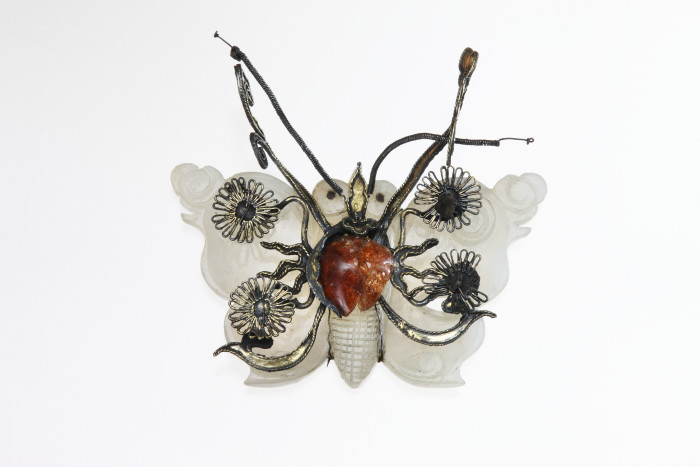
▲ ‘Jade Butterfly Tteoljam’ Excavated from the Burial Site of the Lady from Seongsan
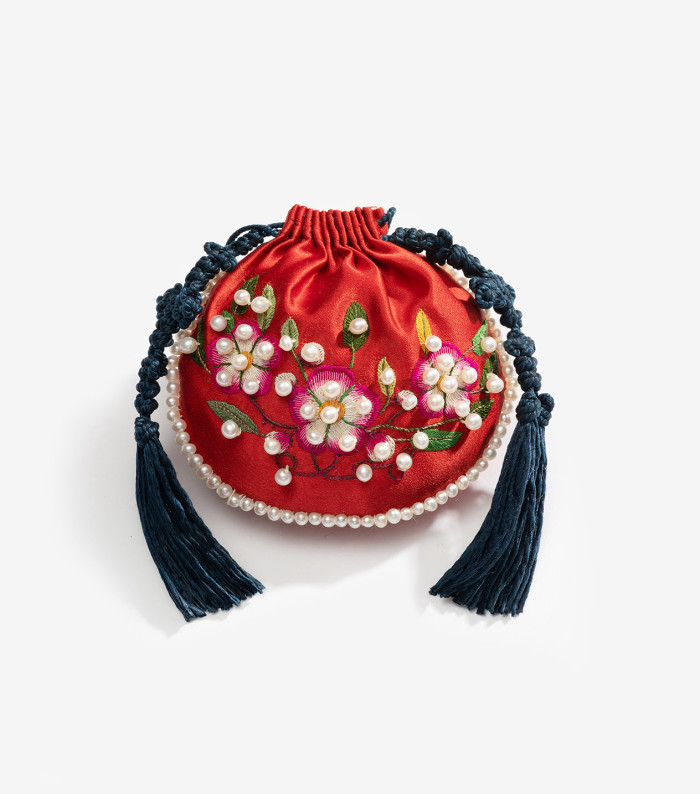
▲ Recreating ‘Jinjunang’ Excavated from the Burial Site of the Lady from Seongsan
This study analyzed and investigated each feature and name of each piece of jewelry, with the main focus on the jewelry described above, to collect and record high definition photos of relics. It also collected and recorded the manufacturing techniques and floor plans of embroidered pouches and Norigae, relics that had been recreated by traditional artisans. Research about the embroidery and patterns of recreated relics was also conducted. Finally, one of the characteristics of this study is that it aimed to produce ‘embroidered pouches’ in which embroidery of real size and pouch floor plan were patterned.
<Copyright(c)2002 GGC All rights reserved.>
- Writer
- GyeongGi Cultural Foundation
- About
- Everything about the GyeongGi arts and culture, GGCF
- homepage
- https://www.ggcf.kr/